
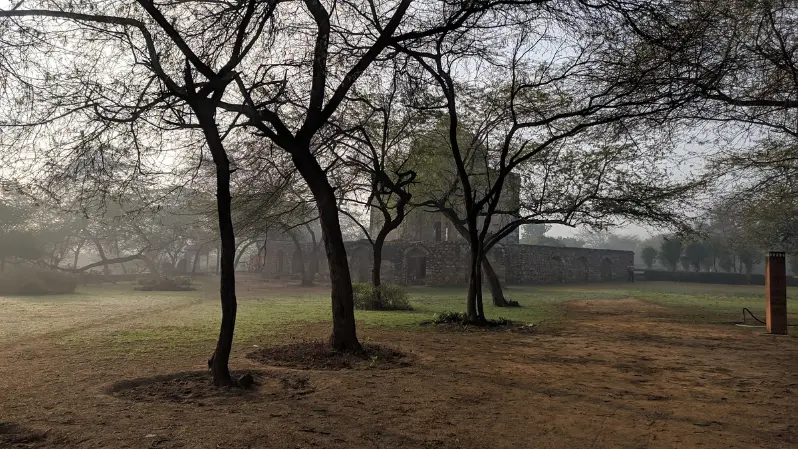
Introduction to Mehrauli, Delhi
Nestled in the southern part of the national capital, Mehrauli is one of the most historically significant regions of Delhi and is widely regarded as the oldest continuously inhabited settlement in the city. Long before the rise of New Delhi and Shahjahanabad, Mehrauli served as the center of political power and cultural development for several dynasties that ruled northern India. Today, Mehrauli is a unique blend of ancient monuments, bustling markets, religious sites, and modern residential neighborhoods, making it one of the most fascinating places to explore in Delhi.
From the towering Qutub Minar to the centuries-old Mehrauli Archaeological Park, the area preserves nearly a thousand years of Indian history and remains an important destination for tourists, historians, and heritage enthusiasts.
The Historical Origins of Mehrauli
The history of Mehrauli dates back to the eleventh century when the Tomar Rajputs established Lal Kot, one of the earliest fortified cities of Delhi. Raja Anangpal Tomar is credited with founding this settlement, which later expanded under the Chauhan dynasty. After the defeat of Prithviraj Chauhan in 1192, Mehrauli became the first capital of the Delhi Sultanate and witnessed the rise of several powerful dynasties.
The Slave Dynasty, Khiljis, Tughlaqs, Lodis, and Mughals all contributed to the architectural and cultural heritage of the region. Over centuries, rulers constructed forts, mosques, tombs, stepwells, and palaces that transformed Mehrauli into one of the most important centers of medieval India. Even as the political capitals shifted to different parts of Delhi, Mehrauli continued to flourish as a cultural and spiritual center.
Geography and Location of Mehrauli
Geographically, Mehrauli is situated in South Delhi and lies along the ancient Aravalli Range, one of the oldest mountain systems in the world. The region’s rocky terrain and elevated landscape provided natural protection to early settlers and made it an ideal location for establishing fortified cities.
Today, Mehrauli shares boundaries with areas such as Saket, Chhattarpur, Vasant Kunj, and Qutub Institutional Area. It enjoys excellent connectivity through the Delhi Metro, particularly the Qutub Minar Metro Station, and is well connected to major roads across the city. Despite rapid urbanization, the area still retains much of its historical charm and traditional character.
Qutub Minar: The Pride of Mehrauli Delhi
One of the most iconic landmarks of India, the Qutub Minar is located in Mehrauli and serves as a symbol of Delhi’s rich heritage. Rising to a height of 72.5 meters, the monument was initiated by Qutb-ud-din Aibak in the late twelfth century and later completed by his successors. The red sandstone tower is renowned for its intricate carvings and remarkable architecture.
Recognized as a UNESCO World Heritage Site, the Qutub Minar complex also houses several other important structures, including the Quwwat-ul-Islam Mosque, Alai Darwaza, and the famous Iron Pillar, which continues to intrigue scientists because of its resistance to corrosion. Every year, millions of visitors come to Mehrauli to witness this architectural masterpiece.
Mehrauli Archaeological Park: A Treasure Trove of History
Spread over more than 200 acres, the Mehrauli Archaeological Park is one of Delhi’s most valuable heritage sites. The park contains more than a hundred historical monuments that span several centuries and represent different periods of Indian history.
Among the most notable structures are Rajon Ki Baoli, Jamali Kamali Mosque and Tomb, Balban’s Tomb, Gandhak Ki Baoli, and Metcalfe’s Folly. These monuments showcase the evolution of architecture from the Delhi Sultanate to the Mughal period and offer visitors a unique opportunity to walk through centuries of history within a single landscape.
Spiritual and Cultural Importance of Mehrauli Delhi
Apart from its historical significance, Mehrauli is also an important spiritual destination. The Dargah of Hazrat Qutbuddin Bakhtiyar Kaki, one of the most revered Sufi saints of the Chishti order, attracts thousands of devotees every year. The shrine symbolizes communal harmony and has been visited by rulers, saints, and common people for centuries.
Mehrauli is also closely associated with the famous Phool Walon Ki Sair festival, which was introduced during the Mughal era. This annual festival celebrates religious unity and showcases the cultural traditions that have defined Delhi for generations.
Modern-Day Mehrauli Delhi
While deeply rooted in history, modern Mehrauli has evolved into a vibrant locality featuring residential colonies, shopping areas, restaurants, and educational institutions. Traditional bazaars coexist with modern cafés and commercial establishments, creating a unique atmosphere where the old and the new blend seamlessly.
Its proximity to major business districts and the Indira Gandhi International Airport has made Mehrauli one of the prominent residential areas of South Delhi. Yet, amidst urban growth, the neighborhood continues to preserve its heritage and timeless charm.
Why Mehrauli Is Called the First City of Delhi
Historians often refer to Mehrauli as the first city of Delhi because it was from this region that the city gradually expanded over the centuries. The foundations laid by the Tomars and Chauhans eventually gave rise to successive capitals established by the Delhi Sultanate and the Mughals.
Unlike many historical settlements that disappeared with time, Mehrauli remained continuously inhabited, allowing it to preserve a remarkable blend of architecture, culture, and traditions. This continuity makes it one of the most unique and historically important places in India.
Conclusion
Mehrauli, Delhi, is much more than just a neighborhood in the capital city. It is a living testament to India’s rich and diverse history. From the ancient walls of Lal Kot and the grandeur of the Qutub Minar to the spiritual atmosphere of Sufi shrines and the beauty of the Mehrauli Archaeological Park, every corner of this remarkable locality tells a story that spans nearly a thousand years.
For history lovers, travelers, and anyone interested in understanding the origins of Delhi, Mehrauli offers an unforgettable journey through time. As the oldest settlement in the capital and a repository of some of India’s greatest monuments, Mehrauli continues to stand as one of the most fascinating destinations in Delhi.